Hyderabad
08048070448
+919000318538

AS Floor Solutions

About AS Floor Solutions

The Best Flooring Contractor in hyderabad

Products
Featured Products

What We Do

6814772a5d263414004dd4a4 Card 2

product image
FLOORING

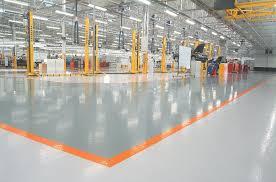
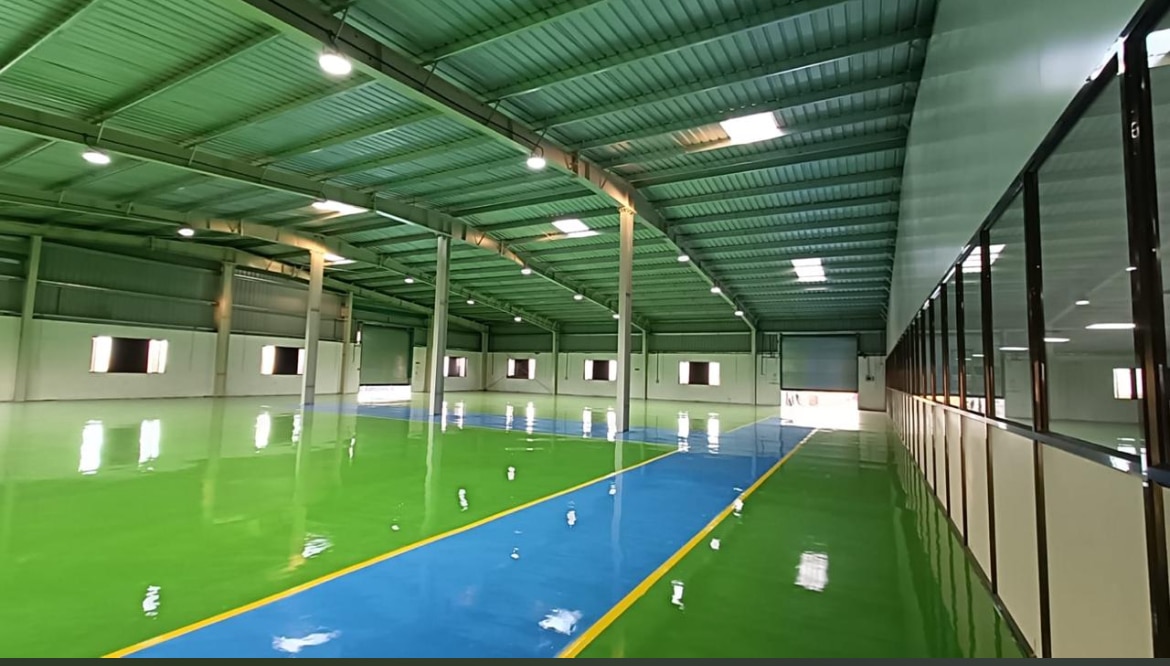
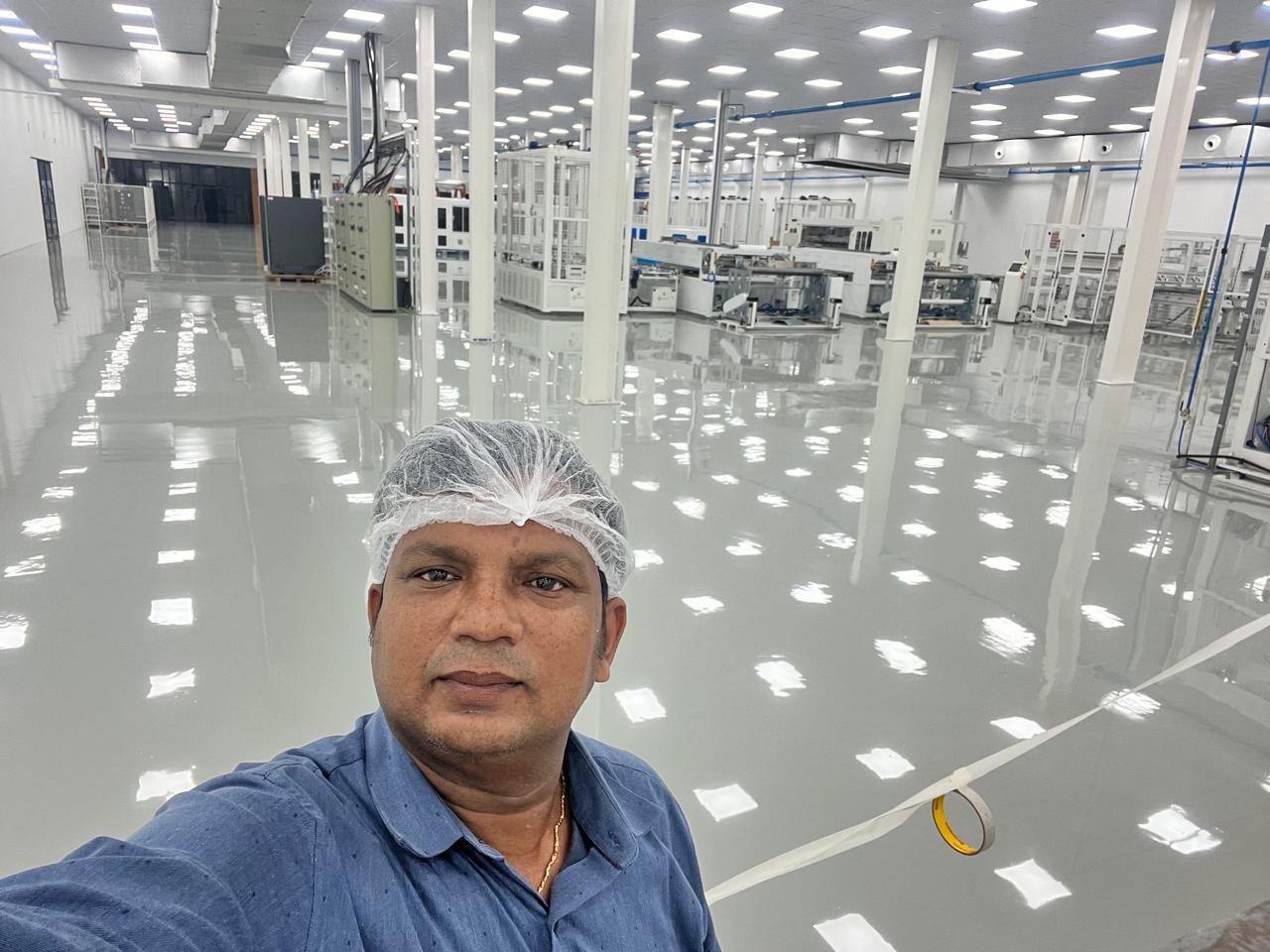
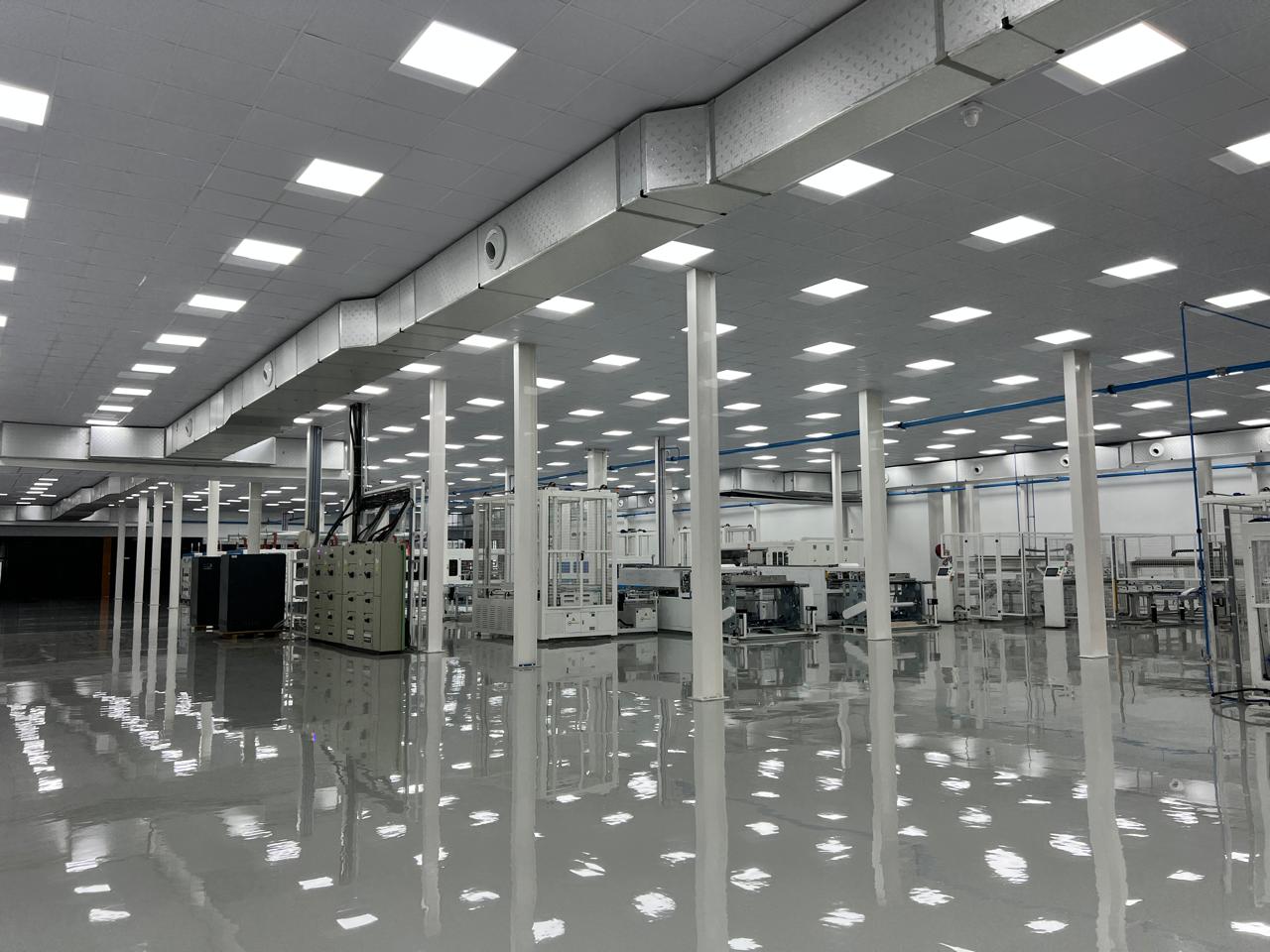
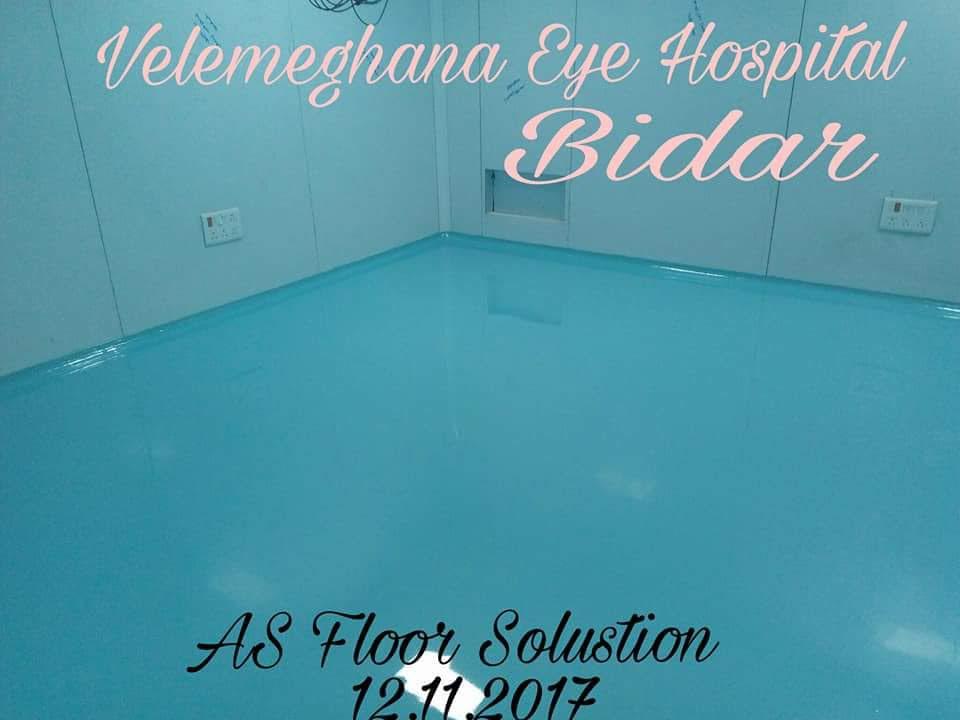
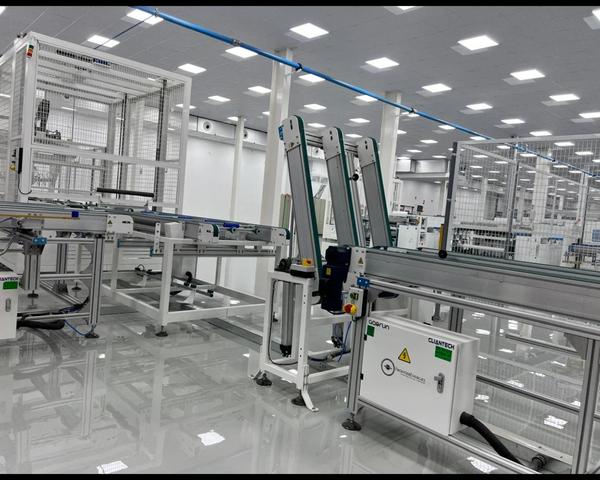
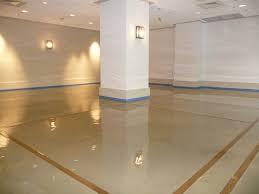
Self-leveling epoxy flooring is a high-performance flooring system known for its smooth, seamless, and durable finish. It features a liquid-rich epoxy formulation that, when poured, spreads evenly to create a flat, level surface that fills in cracks, holes, and other imperfections on the substrate. This self-leveling property makes it ideal for areas requiring an aesthetic and uniform appearance along with high durability. Key benefits of self-leveling epoxy flooring include: Seamless application with no joints or seams, reducing places for dirt and bacteria to accumulate, thus enhancing cleanliness and hygiene. High strength and durability, capable of withstanding heavy foot traffic, forklifts, and industrial machinery. Slip-resistant properties, ensuring safety even on its glossy surface, suitable for environments prone to wet conditions. Easy to clean and maintain with simple soap and water, making it perfect for industries such as food production, pharmaceuticals, and healthcare. Aesthetic versatility, offering various colors and finishes including metallic and solid tones to improve the visual appeal of spaces. Its thickness typically ranges from 1 mm to 5 mm, allowing it to cover uneven floors and deliver a professional finish. Self-leveling epoxy floors are commonly used in commercial, industrial, and residential settings, particularly in warehouses, labs, hospitals, showrooms, and clean rooms where a flawless, durable floor is critical. Overall, self-leveling epoxy flooring offers a clean, safe, and attractive surface that combines functionality with style, durability, and ease of maintenance. This makes it a top choice for spaces requiring impeccable floor quality and appearance.​

6814772a5d263414004dd4a4 Card 2

product image
FLOORING

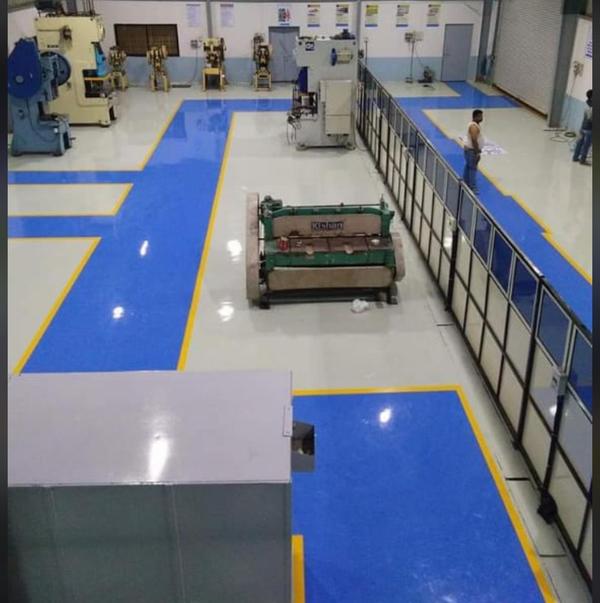
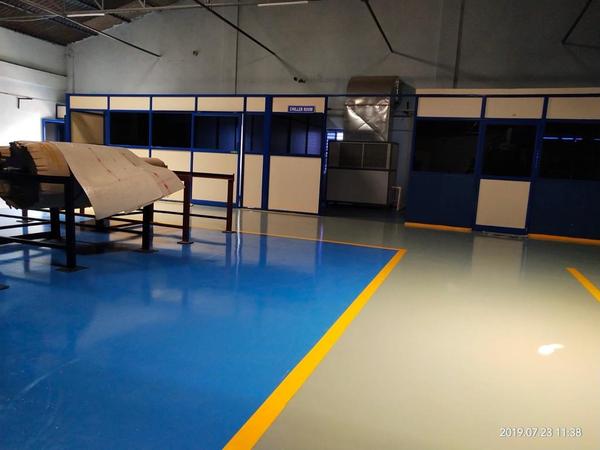
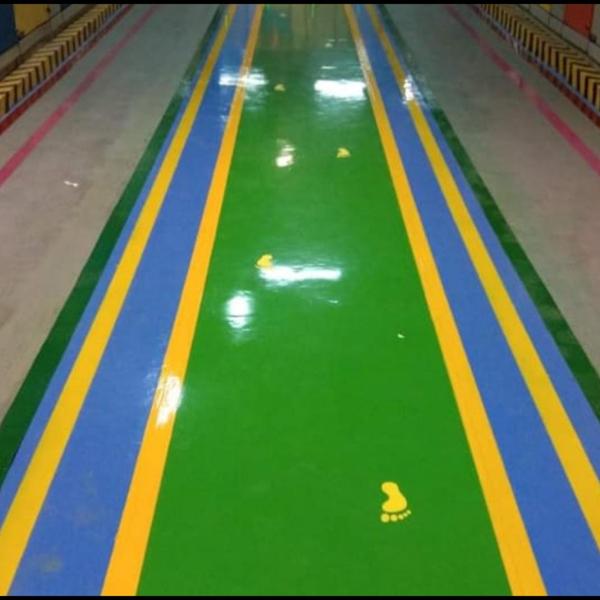
Heavy duty epoxy flooring is a specialized, resin-based flooring system designed to provide maximum durability and resistance under extreme conditions. It is composed of high-performance epoxy resin mixed with aggregates, creating a thick, hard-wearing surface ideal for industrial, commercial, and high-traffic areas. Typical heavy duty epoxy floors have a build-up thickness ranging from 4mm to 6mm or more. This flooring is applied in multiple layers including a primer coat for adhesion, a thick epoxy screed coat for leveling and strength, and a topcoat for finish and chemical resistance. The system can withstand heavy mechanical wear, impact, chemical spills, abrasion, and hot tire effects without deteriorating. Heavy duty epoxy floors provide excellent resistance against industrial chemicals, oils, and solvents, making them suitable for factories, warehouses, automotive workshops, manufacturing plants, and laboratories. They deliver seamless, smooth surfaces that are easy to clean and maintain, promoting workplace hygiene and safety. Additional benefits include crack resistance due to flexibility in the resin matrix, slip resistance options, and color customization. Heavy duty epoxy flooring systems often meet industrial standards for safety, chemical resistance, and mechanical performance. These floors offer cost-effective longevity, reducing downtime and maintenance costs for demanding industrial environments where floor damage could lead to operational disruptions.

6814772a5d263414004dd4a4 Card 2

product image
FLOORING

Waterproofing refers to the process and materials used to prevent water from penetrating or damaging surfaces, structures, or materials. It is essential in construction, infrastructure, and various industrial applications to protect buildings, bridges, basements, roofs, and other surfaces from water ingress, which can cause deterioration, corrosion, mold growth, and structural damage. Waterproofing materials create a protective barrier that is impermeable to water, ensuring long-term durability and safety. These materials include liquid membranes, cementitious coatings, bituminous membranes, polyurethane coatings, acrylics, sheet membranes, and others. Liquid waterproofing membranes are often applied as thin coatings that form seamless, flexible films. Cementitious coatings are cement-based and widely used for internal areas like bathrooms and basements due to ease of application. Bituminous systems provide excellent water resistance, commonly used in roofing and underground areas. Polyurethane waterproofing is known for its flexibility, crack-bridging ability, chemical resistance, and UV stability, making it suitable for terraces, balconies, and exposed roofs. Sheet membranes, like EPDM or PVC, are prefabricated rolls applied to surfaces for effective water barriers. The choice of waterproofing material depends on factors like the type of surface, expected water exposure, environmental conditions, and application area. Proper waterproofing prevents water seepage, preserves structural integrity, and maintains the visual appeal of constructions.​

Have any custom requirements?

Image Gallery

Pictures That Speak

Latest Updates

Read Our Latest Updates & News

update image

PU FLOORING (Polyurethane flooring)

2025-11-05T05:00:51 , update date

 2025-11-05T05:00:51
update image

INDUSTRIAL EPOXY FLOORING

2025-11-05T04:57:13 , update date

 2025-11-05T04:57:13
update image

EPOXY FLOORING COATING

2025-11-05T04:53:34 , update date

 2025-11-05T04:53:34