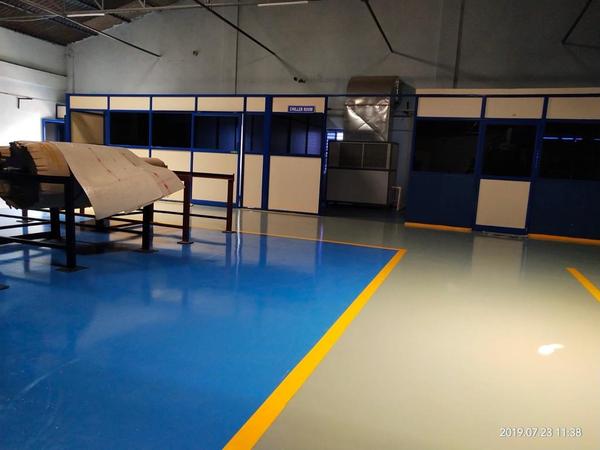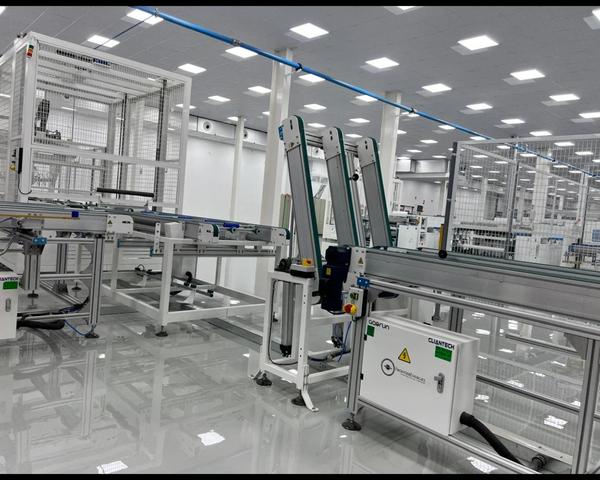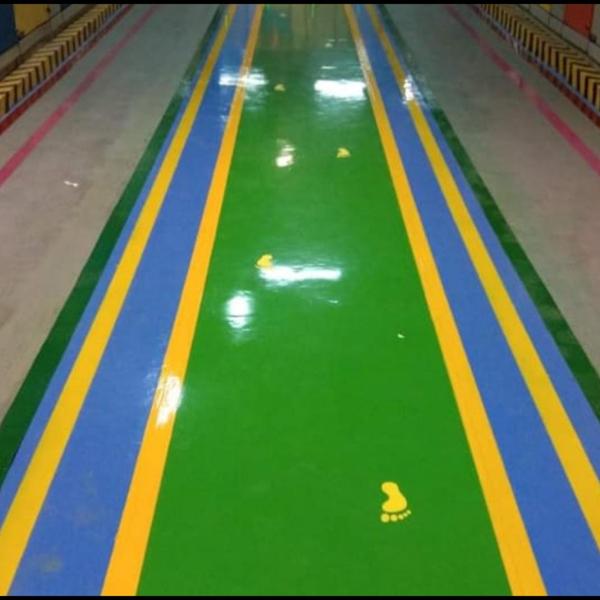


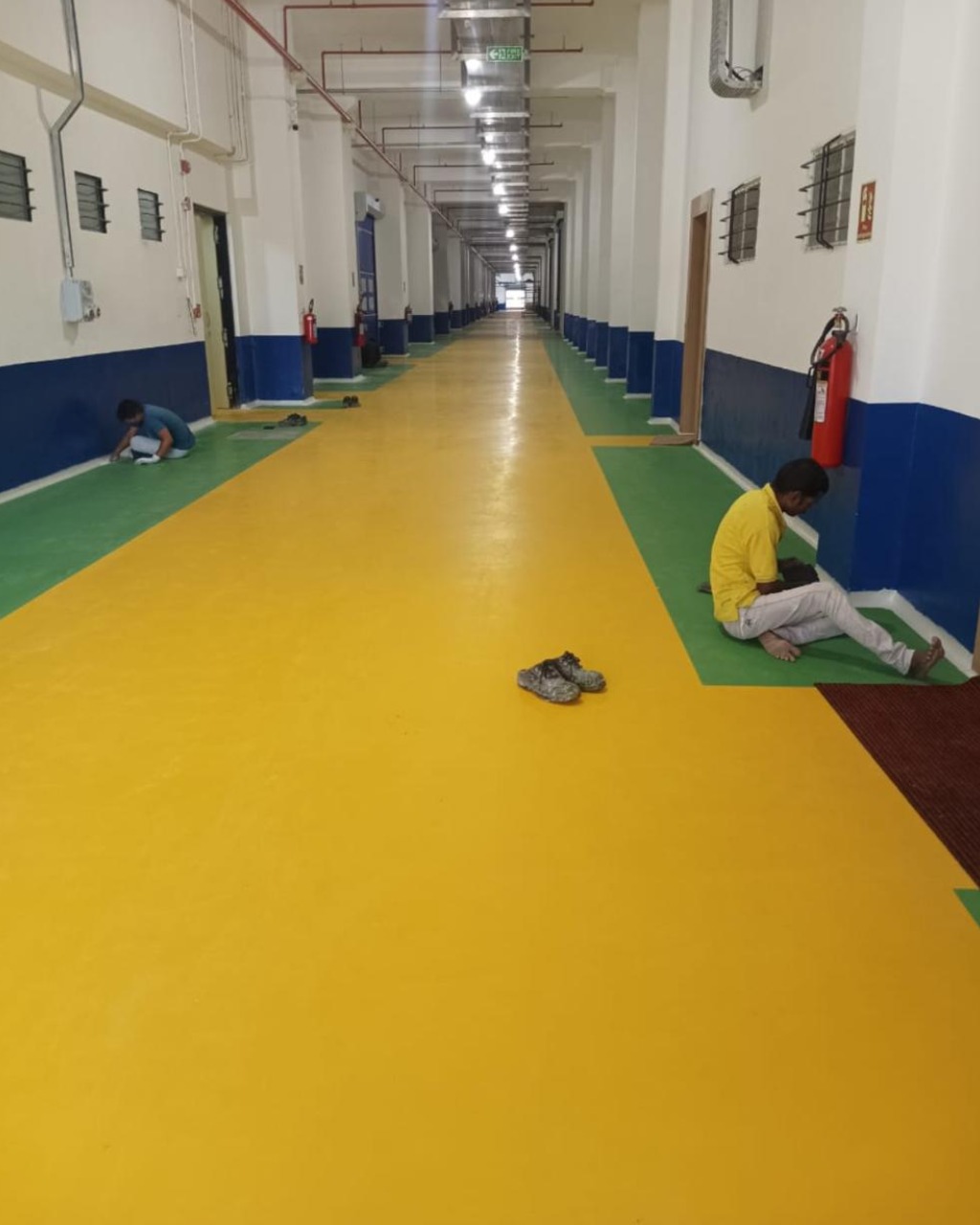
Epoxy flooring is a modern, high-performance surface solution designed for residential, commercial, and industrial environments, renowned for its durability, seamless finish, and aesthetic flexibility. Comprising a blend of epoxy resin and hardener, this flooring solution chemically bonds to concrete substrates, forming a rigid, glossy, and impermeable layer that enhances both visual appeal and structural integrity. Epoxy floors stand out for their ability to withstand heavy foot traffic, machinery, chemicals, and frequent cleaning—making them a top choice for facilities prioritizing safety, style, and longevity.
What Is Epoxy Flooring?
Epoxy flooring is a synthetic resin system applied over concrete to provide long-term protection and decoration. The multi-layered thermosetting resin cures into a tough, smooth surface that resists stains, abrasions, and chemical spills. Epoxy floors can be customized with rich colors, textures, and patterns to match any décor, supporting branding and design goals while delivering a professional, polished look.
Benefits of Epoxy Flooring
Exceptional resistance to wear, impact, and chemicals, suitable for warehouses, factories, hospitals, and kitchens.
Seamless construction prevents dirt and germs from hiding in cracks, enhancing hygiene and simplifying cleaning.
Variety of finishes including matte, glossy, decorative flakes, and slip-resistant quartz for enhanced safety.
Cost-effective option with rapid installation and minimal maintenance, offering outstanding value over time.
Customizable for anti-static requirements, branding, or decorative effects in office, retail, or industrial settings.
Types of Epoxy Flooring
Epoxy flooring systems are highly adaptable, with several main types available:
Self-Leveling Epoxy: Delivers a smooth and even surface over cracked or uneven floors—ideal for garages, kitchens, and showrooms.
Mortar Epoxy: The strongest form, built for manufacturing and heavy-load industrial spaces.
Quartz-Filled Epoxy: Mixed with colored aggregates to create a resistant surface with decorative texture.
Anti-Static Epoxy: Used in laboratories or electronic manufacturing rooms to dissipate static electricity.
Graveled Epoxy: Includes decorative flakes and patterns for stunning floors in shops or restaurants.
Epoxy Flooring Applications
Epoxy floors are widely used across diverse industries. In industrial warehouses, they protect against forklift and machinery damage, chemical spills, and high-volume traffic. In hospitals, kitchens, and labs, their seamless, non-porous nature supports cleanliness and fast sanitization. Retail shops, offices, and hospitality venues leverage epoxy’s design flexibility for vibrant, branded environments.
Epoxy Floor Installation Process
Successful installation requires careful preparation, ensuring the concrete is clean, dry, and free of cracks. Steps include applying a primer, mixing the resin and hardener, spreading layers evenly, and allowing sufficient curing time. Decorative elements like flakes or colored quartz can be embedded during the process for additional style and safety features.